The psychology behind risk-taking in gambling behavior
Understanding the Thrill of Risk
The allure of gambling is deeply intertwined with the psychological concept of risk-taking. Many individuals are drawn to the thrill of uncertainty, which is a central element in gambling. When players place a bet, they are essentially engaging in a high-stakes game of chance where the outcomes are unpredictable. This unpredictability can evoke feelings of excitement and anticipation, as players often experience a rush of adrenaline when the stakes are high. The psychological stimulation that accompanies risk-taking can make the gambling experience highly engaging, often prompting players to return for more. One platform that captures this excitement is MethSpin, known for its broad selection of games and attentive customer support.
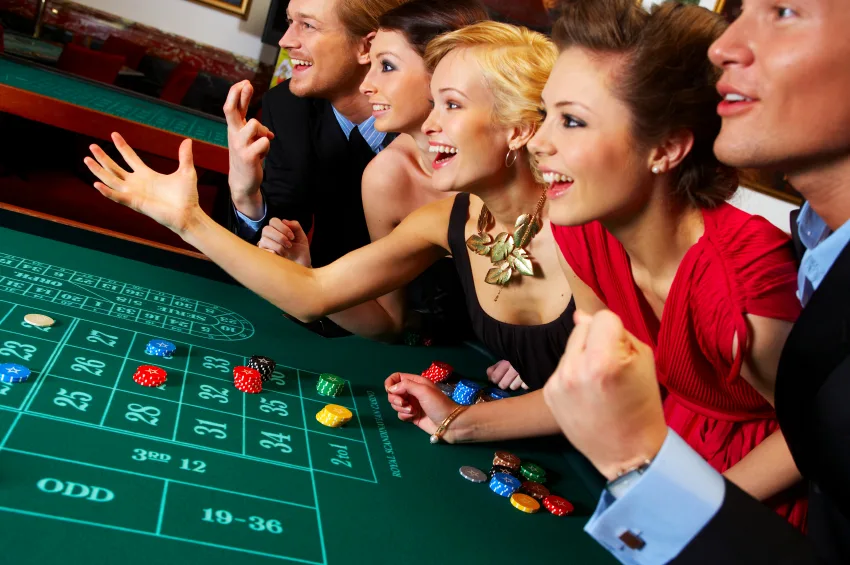
This thrill can be further analyzed through the lens of behavioral psychology. Researchers have found that risk-taking behavior activates the brain’s reward system, releasing neurotransmitters like dopamine. This chemical not only reinforces the pleasure associated with winning but also fosters a desire to chase the next big win. The dopamine rush, akin to what is experienced in other forms of addiction, encourages individuals to continue gambling despite the potential negative consequences. This compulsion can lead to problematic gambling behavior, where the lines between excitement and danger blur.
The Role of Cognitive Biases
Cognitive biases significantly influence how individuals perceive and engage with risk in gambling. One common bias is the illusion of control, where players believe they can influence the outcome of games that are purely based on chance. This belief leads individuals to take more risks, as they feel a false sense of mastery over their circumstances. For example, a player might think that their betting strategy will lead to a win, even in games like slots, where results are entirely random.
Another pervasive bias is the gambler’s fallacy, which involves the mistaken belief that past events influence future outcomes. For instance, someone might think that after a series of losses, a win is ‘due.’ This line of thinking encourages continuous betting, as players believe they are on the brink of a comeback. Cognitive biases like these create a feedback loop, where the excitement of perceived control or impending victory propels players into deeper risk-taking, often with detrimental financial consequences.
Moreover, the availability heuristic plays a role in shaping risk perceptions. This cognitive shortcut allows individuals to judge the likelihood of an event based on how easily they can recall similar instances. In gambling, players often remember their wins more vividly than their losses, leading them to underestimate the risks involved. As a result, they may continue to gamble under the impression that winning is more common than it truly is, reinforcing their risk-taking behavior despite evidence to the contrary.
Social Influences on Gambling Behavior
The social context of gambling can profoundly impact an individual’s risk-taking behavior. Group dynamics often play a crucial role in decision-making processes, especially in environments like casinos where peer pressure and social validation are prevalent. When individuals gamble in a group, they may feel encouraged to take greater risks to impress their peers or conform to the group’s behavior. This social influence can lead to heightened wagering and a collective disregard for responsible gambling practices.
Additionally, the presence of experienced gamblers can skew perceptions of risk. New players may be inspired by the confidence of seasoned participants and may take risks they wouldn’t normally consider. Observing others win can create a misleading perception that success is easily attainable, fostering an environment where risk-taking becomes normalized. This phenomenon is often seen in games like poker, where players are swayed by the actions of their peers, leading them to increase their bets and escalate their risk levels.
Social media and online communities further enhance these social influences. Players often share their gambling experiences, amplifying both successes and losses. Platforms that celebrate big wins can perpetuate the myth that gambling is a lucrative endeavor, encouraging individuals to take on more risks than they otherwise would. Consequently, the interplay between social influences and risk-taking behavior creates a potent mix that can lead to irresponsible gambling habits among individuals who might otherwise be more cautious.
The Emotional Dynamics of Gambling
Emotion plays a pivotal role in gambling behavior, often driving individuals to take risks they might avoid in other contexts. Emotional states like excitement, fear, and even despair can influence a player’s decision-making process. For instance, a player who experiences a big win might feel euphoric and decide to gamble larger amounts, driven by the desire to recapture that initial thrill. Conversely, losses can trigger negative emotions, leading players to chase their losses in hopes of reversing their fortune, often resulting in further financial distress.
Moreover, the temporary escape that gambling provides can lead individuals to use it as a coping mechanism for dealing with stress or emotional pain. This behavior often results in a cyclical pattern where individuals gamble not only to win but also to alleviate negative feelings. When gambling is used as a means of emotional escape, it becomes intertwined with an individual’s mental health, further complicating their relationship with risk and increasing the likelihood of developing problematic gambling behavior.
Finally, understanding the emotional dynamics behind gambling can aid in developing responsible gaming practices. By recognizing how emotions can cloud judgment, players can take proactive steps to manage their emotional states while gambling. This awareness can foster a healthier relationship with risk, enabling individuals to enjoy gambling as a form of entertainment rather than as a way to escape or seek validation. Tools for emotional regulation and self-awareness can serve as vital components in promoting responsible gambling behavior.

Responsible Gaming at Methspin Casino
At Methspin Casino, player safety and responsible gambling are paramount. The platform provides various tools to help players manage their bankroll effectively, ensuring a balanced approach to gaming. Features like deposit limits, self-exclusion options, and time management tools empower players to gamble responsibly while still enjoying the thrill of the games. These resources enable individuals to set clear boundaries, minimizing the risk of developing gambling-related issues.
The casino’s commitment to responsible gaming extends beyond just providing tools; it fosters an environment of awareness and education around gambling behaviors. By informing players about the psychological factors that contribute to risk-taking, Methspin encourages players to make informed decisions. The platform regularly hosts educational content and resources that emphasize the importance of understanding one’s emotional and psychological responses while gambling.
Ultimately, Methspin Casino aims to create a safe and enjoyable experience for players. By blending entertainment with responsible gaming practices, it offers a comprehensive platform that not only caters to the thrill-seeking nature of gambling but also prioritizes the well-being of its players. This thoughtful approach allows individuals to engage with their gaming habits in a way that is both enjoyable and sustainable in the long run.
“`